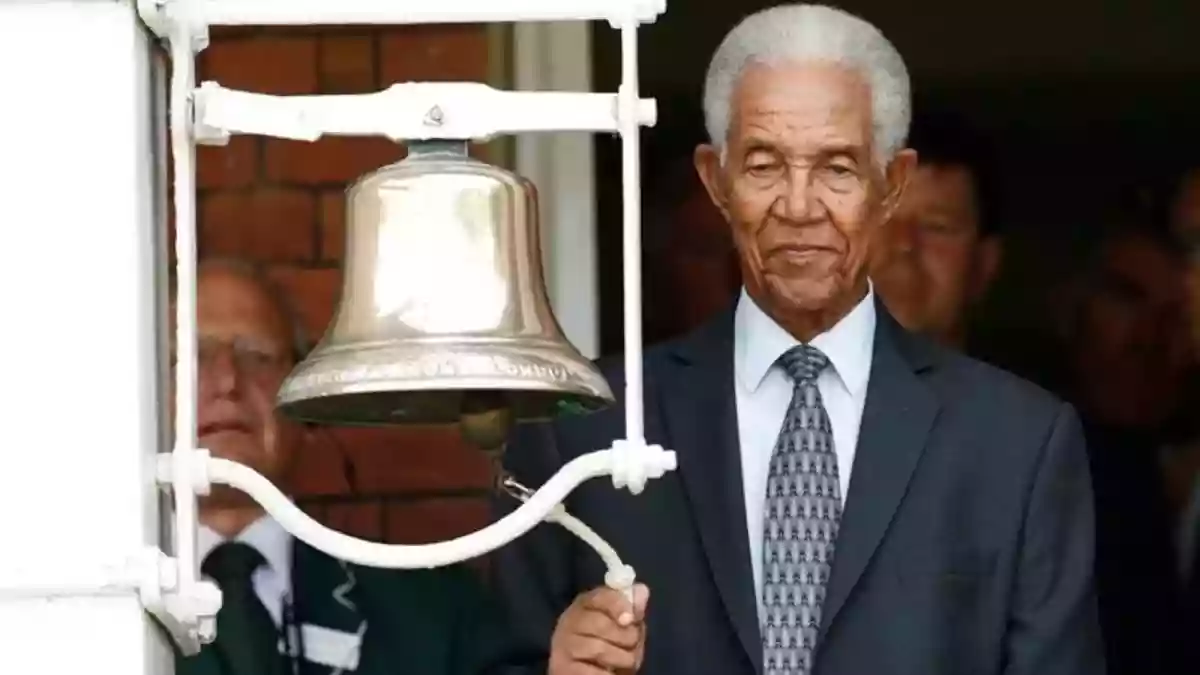
West Indies cricket legend Gary Sobers passes away; was first to smash 6 sixes in 6 balls
.gif)

Download Mobile App 






.webp)
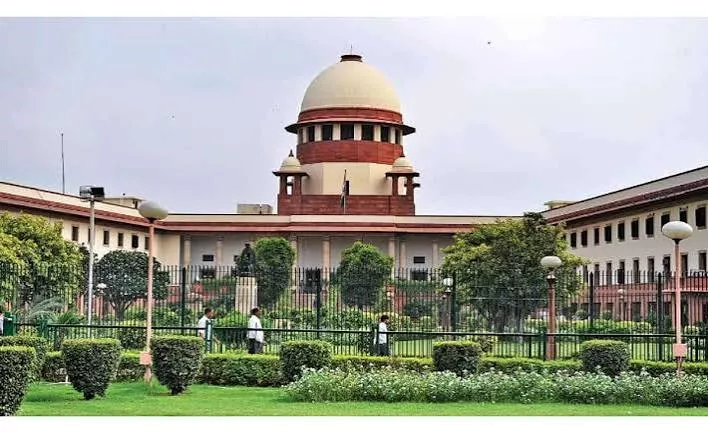
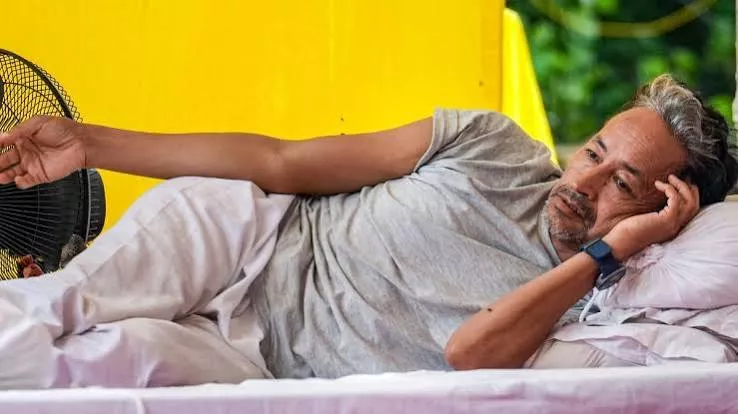
The Supreme Court on Monday denied bail to activists Umar Khalid and Sharjeel Imam while granting bail to five other co-accused — Gulfisha Fatima, Meeran Haider, Shifa Ur Rehman, Mohd. Saleem Khan and Shadab Ahmad — in the UAPA case linked to the alleged larger conspiracy behind the 2020 northeast Delhi riots. The verdict was delivered by a Bench of Justices Aravind Kumar and NV Anjaria.
Rejecting the bail pleas of Khalid and Imam, the top court held that delay in trial cannot operate as a “trump card” to automatically override statutory safeguards under special laws. The Bench observed that prolonged pre-trial incarceration, by itself, does not mandate the grant of bail when serious allegations are involved.
Drawing a clear distinction between the accused, the court said all appellants do not stand on equal footing in terms of culpability. It noted that Umar Khalid and Sharjeel Imam stand on a “qualitatively different footing” compared to the five co-accused who were granted bail, stressing that the hierarchy of participation requires individual assessment in each case.
The court also examined the scope of Section 43D(5) of the UAPA, observing that while it departs from general bail provisions, it does not exclude judicial scrutiny. At the same time, the Bench clarified that bail proceedings are not a forum for evaluating defences and must be based on a structured judicial enquiry at the pre-trial stage.
Emphasising the constitutional framework, the Supreme Court said pre-trial incarceration cannot be assumed to have the character of punishment. Highlighting the central role of Article 21, the Bench stated that deprivation of liberty under a special statute must still meet constitutional standards, with each bail plea decided on its own merits.



.webp)
.webp)


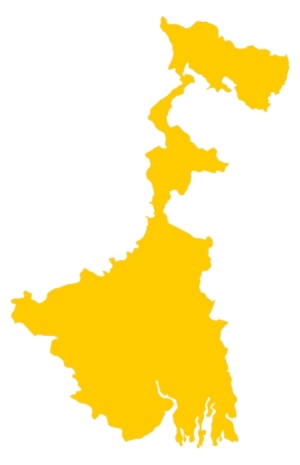 West Bengal
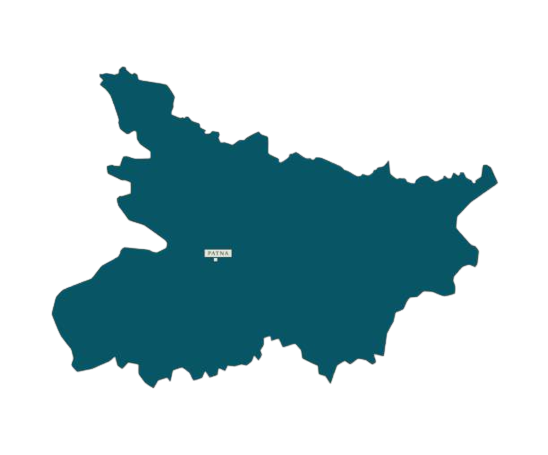 Bihar
Bihar Uttar Pradesh
 Jharkhand